
Festival Crew Roles Explained: Build Crew, Site Managers, Front of House, Drivers & Volunteer Routes
Part of our Festival Jobs UK 2026 series.
If you’ve ever wondered who actually builds a festival from an empty field, keeps it running smoothly, feeds the crew, welcomes the guests, and then takes it all down again, this guide is for you.
When people search for festival crew jobs UK, they often picture bar shifts or stewarding. But behind every stage, glamping village and hospitality area is a team of operational crew working long hours in mud, heat, wind and sometimes all three in the same week - and usally rain.
This article breaks down the main operational roles, including:
Festival build crew jobs
Build team leaders
Festival site manager roles
Festival front of house jobs
Glamping festival jobs
Crew cook roles
Drivers and logistics support
Festival volunteering UK routes
We’ll explain what each role actually involves, who it suits and the physical demands.
If you're just starting out, you may also want to read our full pillar guide: Festival Jobs UK 2026: Paid vs Volunteer Routes, Best Roles, Application Timelines, and What to Expect in the Field, which covers application timing, entry routes and long-term strategy.
Build Crew
If festivals were theatre, build crew would be the stagehands and set designers rolled into one.

What the Job Involves
Build crew are responsible for physically constructing temporary infrastructure. This may include:
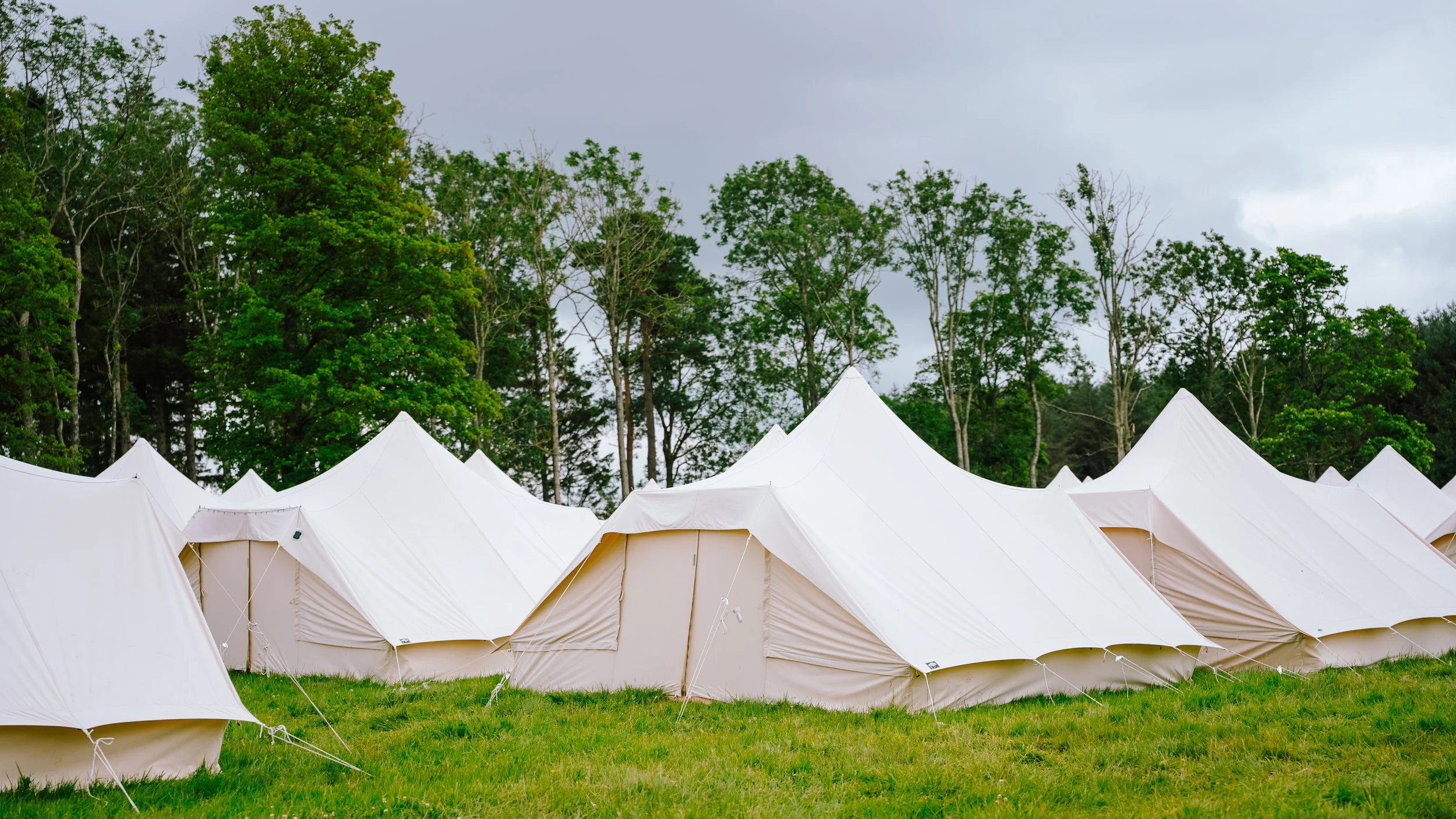
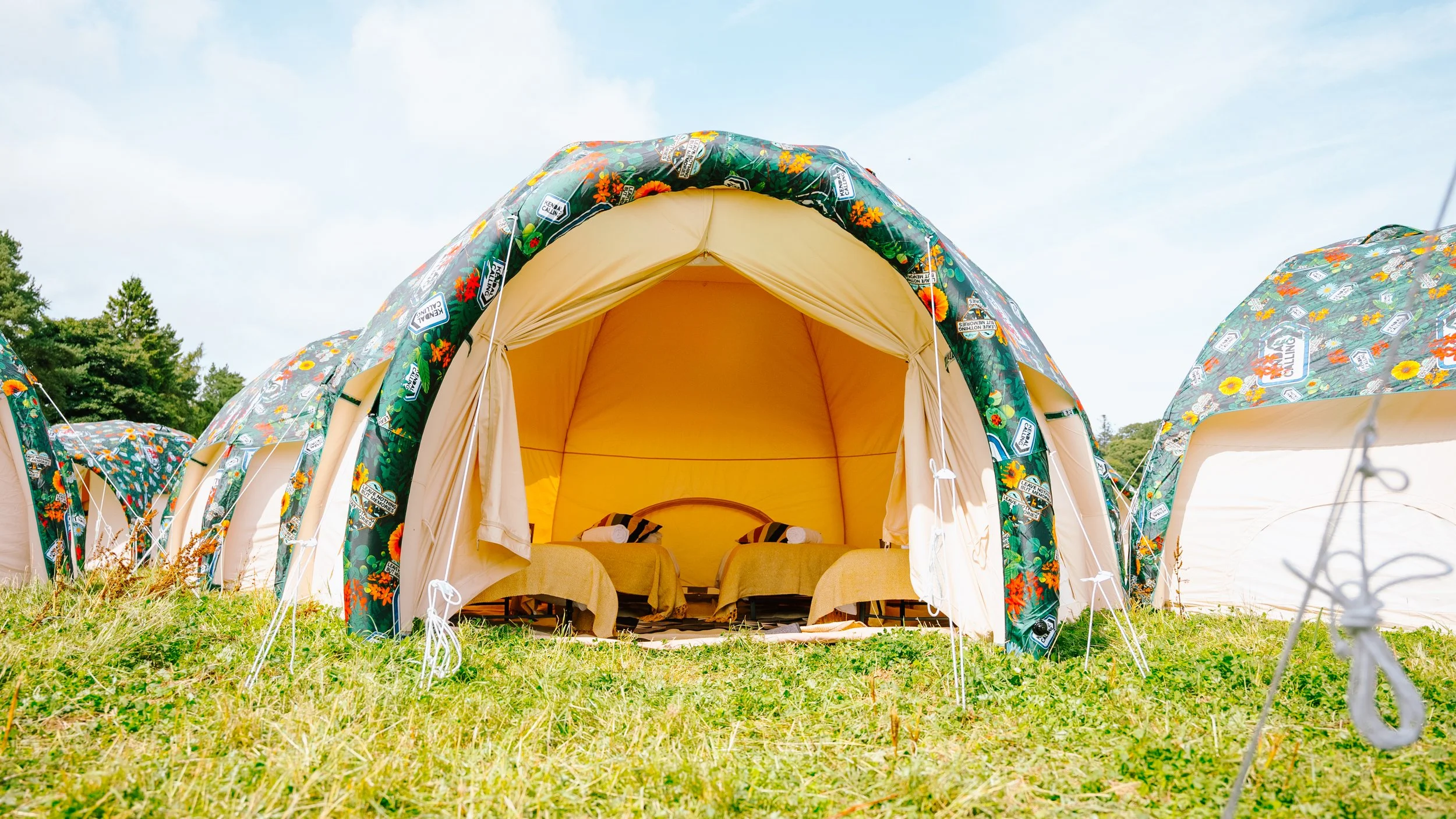
Erecting bell tents, yurts and glamping structures
Installing flooring and furnishings
Loading and unloading vans and lorries
Packing down and restoring site post-event
This is one of the most common entry points for festival build crew jobs in the UK.
Physical Demands & Working Conditions
Let’s be honest: it’s hard graft.
10–14 hour days during peak build
Outdoor work in unpredictable weather
Heavy lifting and repetitive manual tasks
Early starts
Camping onsite in basic conditions, usally is access to showers and crew catering/ food though, already better than regular festival camping
You will finish days tired. Very tired. But for many, that physical challenge is part of the appeal.
Skills Required
You don’t always need formal qualifications, but you do need:
Strong work ethic
Physical fitness
Ability to follow instructions
Team reliability
Time awareness
Practical skills like using tools, working in construction, landscaping, events or logistics are a plus. Or knowing how to put a bell tent up! But this is not required, it will be shown to everyone in our training weekend.
Who This Role Suits
Build crew roles suit:
Physically fit individuals
People who enjoy outdoor work
Those wanting paid festival crew jobs UK without customer-facing pressure
Students looking for seasonal work
Pros & Cons
Pros
Paid role (unlike many entry festival volunteering UK routes)
Clear structure and team environment
Gateway into long-term events careers
Strong camaraderie
Career Progression Opportunities
Build crew is often a stepping stone to:
Build Crew Team Leader
Site Operations Assistant
Logistics Coordinator
Site Manager
Many experienced site managers started on the tools.

Build Crew Team Leaders
Once you’ve done multiple builds and proven reliability, the next step is team leadership.
Leadership Responsibilities
A Build Crew Team Leader typically:
Supervises a small crew (3–10 people)
Allocates tasks
Ensures build quality standards
Reports progress to management
Maintains safety compliance
You are no longer just “doing the job” - you’re responsible for how the job gets done.
Quality Control & Crew Management
You’ll need to:
Spot errors early
Correct tent builds or layouts
Manage time pressure
Deal with tired crew morale
Ensure deadlines are met
This role blends manual work with people management.
Additional Customer-Facing Duties
In glamping festival jobs, team leaders may also:
Liaise with hospitality managers
Resolve last-minute booking issues
Handle minor guest concerns pre-opening
What Experience Is Required to Step Up?
Typically:
Strong reliability record
Demonstrated leadership qualities
Good communication skills
Confidence making quick decisions
You don’t need to be loud. You do need to be steady under pressure.

Site Manager
If build crew are the engine, the Site Manager is the driver.
This is one of the most demanding and respected festival site roles in the UK events industry.
Full Responsibility Scope
A Site Manager is responsible for:
Entire operational delivery of the site
Managing crew and team leaders
Health & safety compliance
Liaising with festival organisers
Managing timelines and problem-solving
Overseeing breakdown and sign-off
You carry responsibility for infrastructure, guest experience and crew welfare.
Managing Crew, Safety & Schedule
This includes:
Daily briefings
Adapting to weather delays
Responding to last-minute changes
Managing incidents
Coordinating multiple moving parts
It is strategic, operational and reactive all at once.
Long Hours & Seasonal Lifestyle
Reality check:
14–16 hour days during peak periods
Weeks away from home
Back-to-back festivals in summer
High mental load
Many site managers work intense summer seasons and quieter winters.
Key Requirements & Desirable Skills
Years of build or operations experience
Leadership under pressure
Health & safety knowledge
Strong communication
Logistics awareness
Budget consciousness
Who This Role Suits
Highly organised individuals
Natural problem-solvers
Those comfortable with responsibility
Experienced build professionals
People seeking long-term events careers
Realistic Challenges
Staff fatigue
Weather disruption
Equipment failure
Organiser pressure
Guest complaints
It is rewarding — but not easy.
Front of House (Reception & Customer Experience)
While build crew focus on physical infrastructure, festival front of house jobs focus on people.
Common within glamping festival jobs UK, Front of House roles manage guest experience.
Responsibilities
Checking in guests
Managing booking systems
Handling customer queries
Resolving complaints
Coordinating with site team
Maintaining reception areas
Handling Problems Onsite
You may deal with:
Missing bookings
Tent issues
Weather complaints
Noise concerns
Lost property
You’re often the first face guests see - and the first point of escalation.
Blend of Customer Service & Operations
Unlike standard retail or hospitality jobs, you’re working in a live operational environment. If a tent pole snaps, you must coordinate with build crew quickly.
Skills Required
Customer service experience
Calm communication style
Problem-solving ability
Organisational skills
Basic tech literacy
Who This Role Suits
Hospitality professionals
People-focused individuals
Those less interested in heavy manual work
Clear communicators
Calm personalities
Crew Cook
An often overlooked but critical role.
During build and breakdown, morale often depends on food.

Role During Build & Breakdown
Crew cooks:
Prepare daily meals for crew
Plan menus around budget
Cater for dietary requirements
Manage field kitchen setups
Maintain hygiene standards
Budgeting & Dietary Requirements
You may be cooking for:
10–40 crew members
Vegans, vegetarians, allergies
Long build days requiring high-calorie meals
It’s not fine dining. It’s fuel.
Physical & Logistical Expectations
Early mornings
Limited kitchen facilities
Outdoor cooking setups
Stock management
Waste control
Who This Suits
Experienced caterers
Camp cooks
People comfortable with rustic kitchens
Organised planners
Drivers (Macclesfield-Based )
The Canvas Co operates from it’s warehouse hub in Macclesfield, Cheshire.

Drivers are vital to festival crew jobs UK.
Responsibilities
Delivering tents and equipment
Loading and unloading vehicles
Supporting warehouse operations
Assisting with marquee installations
Transporting crew between sites
Required Licences
Depending on role:
Standard UK driving licence
Possibly C1 or HGV for larger vehicles
Clean driving record
Variety of Work
You may:
Drive long-distance
Help with setup
Work in warehouse prep weeks before festival season
Assist with emergency supply runs during events
Experience Needed
Confident vehicle handling
Logistics awareness
Reliability
Willingness to assist beyond driving
This role blends transport and practical support.
Volunteers (Build Volunteers)
Not all festival work is paid. Many people enter through festival volunteering UK routes.
What Volunteers Receive
Typically:
Festival ticket
Meals during work shifts
Access to behind-the-scenes experience
What Volunteers Must Provide
Own tent
Travel to site
Personal kit
Availability pre and post event
Work Expectations
Common structure:
2 days pre-festival build
1 day post-festival breakdown
Structured shifts
Manual assistance
Who Volunteering Is Ideal For
Students
First-time festival workers
People testing suitability
Budget-conscious attendees
Those curious about festival build crew jobs
Pros & Limitations vs Paid Roles
Pros
Lower barrier to entry
Experience-building
Networking opportunities
Limitations
Unpaid
No long-term employment guarantee
Limited responsibility
Less progression visibility
Volunteering can open doors, but it is not a substitute for professional paid experience.
What to Expect in the Field
No matter the role, festival operations share common realities.
Weather Realities
UK festivals mean:
Mud
Heatwaves
Torrential rain
High winds
You will work in it.
Long Hours
Build and breakdown phases are intense:
Early starts
Late finishes
Limited days off during peak
Energy management becomes essential.
Team Dynamics
You live and work with the same people.
Camaraderie forms quickly
Tensions can flare under fatigue
Clear communication matters
Living Onsite
Most crew:
Camp onsite
Share facilities
Have limited privacy
Operate in temporary environments
It’s not luxury — even within glamping festival jobs.
Physical Exhaustion vs Reward
You will feel:
Physically drained
Mentally stretched
Occasionally overwhelmed
But also:
Proud of visible results
Connected to a team
Part of something temporary and powerful
Many return year after year because of that shared experience.
Which Role Is Right for You?
Here’s a quick suitability summary:
Build Crew – Physically fit, practical, entry into paid festival crew jobs UK
Team Leader – Experienced crew ready for responsibility
Site Manager – Highly organised leaders wanting long-term career progression
Front of House – Customer-focused professionals
Crew Cook – Experienced caterers comfortable in field conditions
Drivers – Logistics-minded with correct licences
Volunteers – First-time entrants testing the waters
If you're still deciding, our main guide — Festival Jobs UK 2026: Paid vs Volunteer Routes, Best Roles, Application Timelines, and What to Expect in the Field — breaks down:
When to apply
Which companies recruit early
How to transition from volunteer to paid crew
What experience improves your chances
Festival work is demanding. It’s seasonal. It’s weather-beaten and physically real.
But for the right people, it becomes more than a summer job, it becomes a pathway into the UK events industry.
If you’re considering applying in 2026, start planning early, build relevant experience now, and choose the route that matches both your physical capacity and your long-term goals.